If you’ve been bitten by a dog in California, knowing how to file a dog bite claim in California can make the difference between a fair recovery and a denied insurance claim. California law gives injured victims a clear path to compensation, but the process is full of deadlines, paperwork, and insurance company tactics designed to minimize your payout. This guide walks you through exactly what to do, in the right order, so you protect your health, your evidence, and your legal rights from day one.
Understanding California Dog Bite Law Before You File
California is a strict liability state when it comes to dog bites. Under California Civil Code Section 3342, a dog owner can be held liable for injuries caused by their dog even if the animal has never bitten anyone before and the owner had no reason to believe it was dangerous. This is different from many other states that require proof the owner knew the dog was aggressive.
This strict liability standard works in your favor, but it doesn’t mean compensation is automatic. You still need to prove the bite happened, identify the responsible party, and document your damages. That’s where the claims process becomes critical.
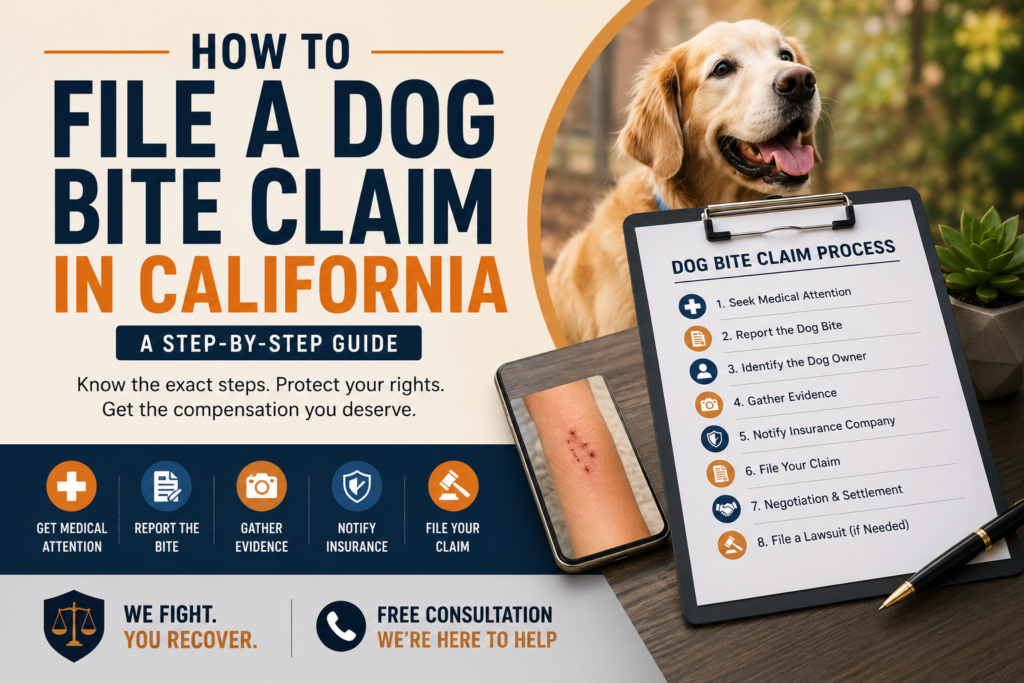
Step-by-Step: How to File a Dog Bite Claim in California
Filing a dog bite claim in California involves several distinct stages. Missing or rushing any one of them can weaken your case before it even reaches an insurance adjuster’s desk.
1. Get to Safety and Seek Medical Treatment Immediately
Your health comes first. Dog bites can cause deep puncture wounds, nerve damage, infection, and scarring, even when injuries look minor at first. Go to an emergency room or urgent care right away. Medical records created at the time of the attack become some of the most important evidence in your claim.
Delaying treatment gives insurance companies an opening to argue your injuries weren’t serious or weren’t caused by the dog bite at all.
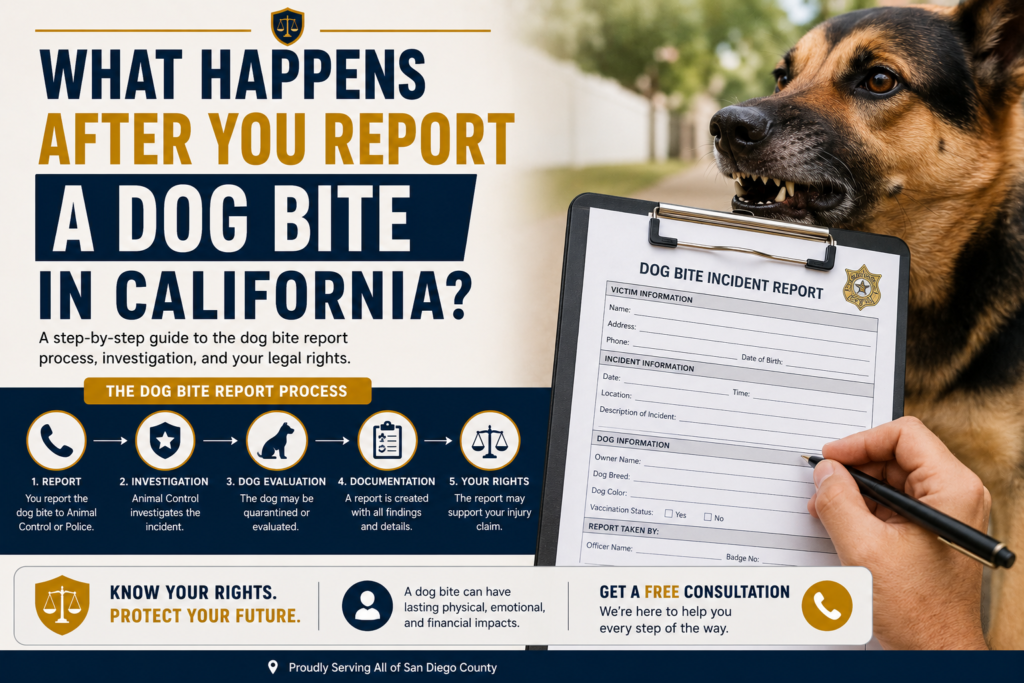
2. Report the Attack to Animal Control or Local Police
California law generally requires dog bites to be reported. Contact your local animal control department or police as soon as possible. This creates an official record of the incident, which is often requested later by insurance adjusters and, if necessary, the court.
Reporting also helps authorities track the dog’s vaccination history and determine whether it has bitten before, both of which can strengthen your claim.
3. Identify the Dog Owner
You cannot file a dog bite insurance claim in California without knowing who owns the dog. If the owner is present at the scene, get their name, address, phone number, and homeowner’s or renter’s insurance information. If the dog is a stray or the owner flees, animal control records and witness statements become essential to identifying them later.
4. Gather Evidence at the Scene
If you’re physically able, start collecting evidence immediately. If not, ask someone nearby to help. Evidence gathered close to the time of the attack is far more persuasive than evidence collected days later.
5. Photograph Your Injuries
Take clear photos of every wound, bruise, and torn clothing immediately after the attack, and continue photographing your injuries as they heal over the following weeks. This visual timeline shows the severity of the attack and the recovery process, which directly supports your compensation claim.
6. Collect Witness Information
Anyone who saw the attack can provide a statement that supports your version of events. Get names and phone numbers on the spot, since witnesses are much harder to locate later and memories fade quickly.
7. Preserve Your Medical Records
Keep copies of every medical bill, discharge summary, prescription, and follow-up appointment note. These records establish the cost and extent of your injuries and form the financial backbone of your dog bite compensation claim in California.
For more detail on what to expect medically and legally in the days following an attack, see our related post on what happens after a dog bite in California.
How to Start a Dog Bite Claim in California: Notifying Insurance
Once you’ve addressed your immediate health and safety needs, the next phase of the California dog bite claim process is notifying the appropriate insurance company.
Notify the Dog Owner’s Insurance Company
Most dog bite claims are paid through the owner’s homeowner’s or renter’s insurance policy. Contact the insurer to report the incident and open a claim file. Be careful about what you say during this call. Stick to the basic facts: when, where, and how the attack happened. Avoid speculating about fault or downplaying your injuries.
If you’re unsure who the responsible insurer is or whether coverage applies, our team can help you sort this out during a free dog bite consultation.
Filing the Formal Insurance Claim
After notifying the insurer, you’ll typically need to submit a formal claim that includes a written account of the incident, your medical records, photographs, and any witness statements. This is where many victims trying to figure out how to start a dog bite claim in California run into trouble, since insurers often request more documentation than necessary or push for a recorded statement before you’ve had time to fully assess your injuries.
To learn more about which party may ultimately be financially responsible, read our article on who pays for a dog bite injury in California.
What Documents Do You Need?
A strong dog bite claim is built on documentation. Before submitting your claim, try to assemble the following:
- Animal control or police incident report
- Photographs of injuries and the location of the attack
- Contact information for the dog owner and any witnesses
- All medical records, bills, and treatment plans
- Proof of lost wages if you missed work
- Any prior complaints or bite history involving the dog, if known
- Correspondence with the insurance company
The more thorough your documentation, the harder it becomes for an insurance adjuster to dispute the value of your claim. For a deeper breakdown of what counts as strong evidence, see our guide on what evidence you need for a dog bite claim in California.
Negotiating With the Insurance Adjuster
Once your claim is submitted, an adjuster will review it and may offer a settlement. It’s important to understand that adjusters work for the insurance company, not for you. Their job includes minimizing payouts wherever possible.
Common adjuster tactics include:
- Offering a quick, low settlement before you know the full extent of your injuries
- Requesting unnecessary medical authorizations
- Disputing liability by claiming you provoked the dog
- Delaying communication to pressure you into accepting less
Negotiating with an experienced advocate on your side often results in a more accurate valuation of your claim, particularly when injuries involve scarring, nerve damage, or long-term medical care.
Common Mistakes When Filing a Dog Bite Claim
Even straightforward cases can fall apart due to avoidable errors. Watch out for these common mistakes:
Waiting Too Long to Seek Treatment or Report the Bite
Delays create gaps in your medical record that insurance companies use to question whether the bite caused your injuries.
Giving a Recorded Statement Without Preparation
Adjusters may ask leading questions designed to get you to minimize your injuries or accept partial fault.
Accepting the First Settlement Offer
Initial offers are often well below what a claim is actually worth, especially before you’ve completed medical treatment.
Posting About the Incident on Social Media
Photos or comments can be taken out of context and used to undermine your credibility.
Missing the Filing Deadline
California’s statute of limitations for personal injury claims, including dog bites, is generally two years from the date of the attack. Missing this deadline can permanently bar you from recovering compensation. For specific guidance on timing, read our post on how long you have to file a dog bite claim in California.
For a broader list of pitfalls to avoid, see our article on common mistakes that can hurt a dog bite claim in California.
When Should You Contact a Dog Bite Lawyer?
Not every dog bite requires a lawyer, but many cases benefit significantly from legal representation, particularly when:
- Injuries required stitches, surgery, or hospitalization
- The bite resulted in visible scarring or disfigurement
- The insurance company disputes liability or denies the claim
- The settlement offer doesn’t cover your medical bills and lost wages
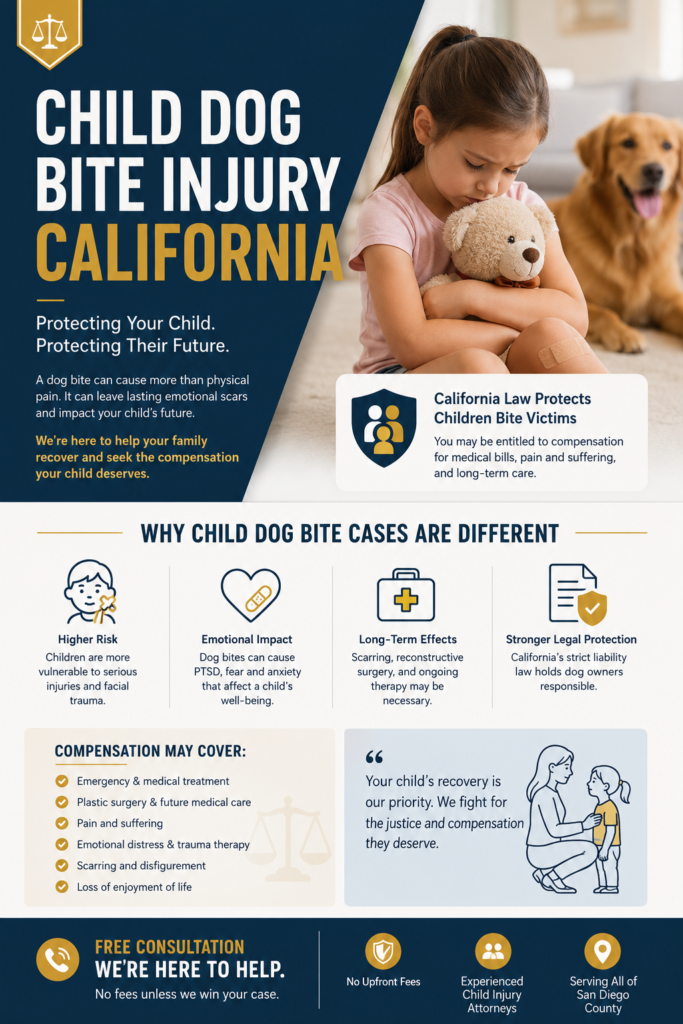
- A child was bitten and may have long-term psychological effects
- The dog owner has no insurance or is uncooperative
An attorney can manage communication with adjusters, calculate the true value of your damages, and prepare your case for litigation if a fair settlement isn’t offered. Learn more about how this process works on our dog bite claim page.
Settlement vs. Litigation: What Happens After You File
Most dog bite claims in California settle outside of court. After your claim is submitted, the insurance company investigates, reviews your documentation, and typically responds with a settlement offer or a denial.
If negotiations stall or the insurer refuses to offer fair compensation, the next step is filing a lawsuit. Litigation allows you to present your case before a judge or jury and pursue full compensation through formal legal channels. You can read more about this process on our dog bite lawsuit page.
Whether your case settles or proceeds to litigation often depends on the strength of your evidence, the severity of your injuries, and the insurance company’s willingness to negotiate in good faith. For more on how settlements are calculated, visit our dog bite settlement page.
Why Documentation Strengthens Your Dog Bite Compensation Claim
Every step described above feeds into one central goal: building a claim that’s difficult to dispute. Insurance companies look for inconsistencies, gaps, and missing evidence as reasons to reduce or deny payouts. A well-documented California dog bite claim, supported by medical records, photographs, witness statements, and a clear timeline, puts you in a far stronger negotiating position.
This is true whether you’re dealing with a straightforward bite injury or a more serious dog attack involving multiple injuries. For attacks that go beyond a typical bite, our dog attack injury lawyer page outlines how more severe cases are handled.
Local Help Filing Your Dog Bite Claim in California
If you were bitten anywhere in San Diego County, our team understands the local animal control procedures, court systems, and insurance companies you may be dealing with. We assist victims throughout the region, including those searching for a dog bite lawyer in Downtown San Diego, a dog bite lawyer in Chula Vista, or a dog bite lawyer in El Cajon.
Frequently Asked Questions
How do I file a dog bite claim in California?
To file a dog bite claim in California, seek medical treatment first, report the attack to animal control or police, identify the dog owner, gather evidence including photos and witness statements, and then notify the owner’s insurance company to begin the formal claims process.
How long do I have to file a dog bite claim in California?
California’s statute of limitations for personal injury claims, including most dog bite cases, is generally two years from the date of the attack. Acting promptly helps preserve evidence and protects your right to compensation.
Do I need a lawyer to file a dog bite insurance claim in California?
You’re not legally required to have a lawyer, but legal representation is especially valuable when injuries are serious, liability is disputed, or the insurance company offers a settlement that doesn’t cover your actual damages.
What if the dog owner doesn’t have insurance?
If the owner is uninsured, you may still be able to pursue compensation directly from the owner through a personal injury lawsuit, depending on their assets and the circumstances of the case.
Can I still file a claim if I don’t know who owns the dog?
Yes. Animal control reports, witness statements, and neighborhood records can often help identify an unknown dog’s owner, especially when the incident is reported promptly.
Get Help Filing Your Dog Bite Claim Today
Knowing how to file a dog bite claim in California is the first step toward protecting your health, your finances, and your legal rights. The process involves strict deadlines, detailed documentation, and insurance companies that don’t always act in your best interest. You don’t have to navigate it alone.
Our team has helped dog bite victims throughout San Diego County understand their options and pursue the compensation they deserve. If you or a loved one was bitten, contact us today for a free dog bite consultation and let us guide you through every step of your claim. Visit dogbitelawyersandiego.com to learn more about how we can help.